
Skip to content
Amana Finishes
Materials8 min read

Paint Sheen Guide: Which Finish Goes Where

Matte through gloss, what each finish actually does, and the single trade-off that governs every sheen decision.
Published January 22, 2026Updated August 1, 2026
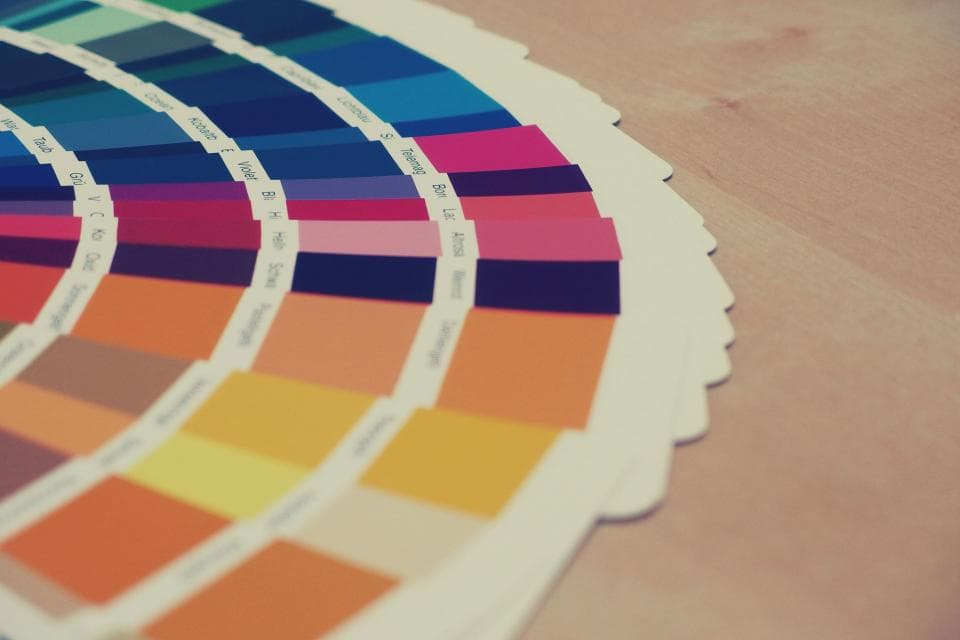
Paint sheen samples from matte to gloss on a test board
The short answer

Use flat on ceilings, washable matte or eggshell in bedrooms and living rooms, satin in kitchens, bathrooms, hallways and stairwells, and satin or semi-gloss on trim and doors. The governing trade-off is simple: higher sheen is more washable but reflects more light, and reflected light exposes every imperfection in the wall behind it. On old or wavy walls, choose the lowest sheen the room’s traffic can tolerate.

01

The one rule that governs everything

Sheen is a trade-off between washability and forgiveness, and you cannot have both. More sheen means more binder at the surface, which means a tougher, more scrubbable film, and also a more reflective one. Reflected light travelling along a wall reveals every dish, ridge, patch and roller mark in it.

So the decision is never "which sheen looks best". It is "how much traffic does this surface take, and how good is the wall behind it". A perfectly flat new drywall wall can carry satin beautifully. The same satin on a hundred-year-old plaster wall in Riverdale will make it look like the surface of a lake.

02

The sheens, in order

SheenReflectanceUse it onAvoid it on
Flat / matteLowestCeilings, low-traffic adult bedrooms, walls with a patchy historyKitchens, bathrooms, anywhere hands touch
Washable matteVery lowLiving rooms, bedrooms, most main-floor walls, the modern defaultWet areas with poor ventilation
EggshellLowLiving and dining rooms, bedrooms, hallways in low-traffic homesVery wavy plaster in raking light
SatinMediumKitchens, bathrooms, hallways, stairwells, kids’ rooms, mudroomsLong feature walls beside a big window
Semi-glossHighTrim, doors, casings, cabinetry, bathroom walls with poor ventilationAny wall with visible imperfections
GlossHighestFront doors, feature millwork, high-durability cabinetryWalls, essentially always
03

Room by room in a GTA home

  • Ceilings: dead flat, without exception. Ceilings are lit from below at exactly the angle that exposes everything, and any sheen turns minor flatness variation into visible ripples.
  • Bedrooms: washable matte or eggshell. Low traffic, and matte hides the wall.
  • Living and family rooms: washable matte. Modern washable mattes give you close to eggshell durability with matte’s forgiveness, which is why they have largely replaced eggshell as the default.
  • Hallways and stairwells: satin. This is where bags, shoulders and hands make contact all day, and where the ability to wipe a wall genuinely matters.
  • Kitchens: satin on walls. Grease and steam need a film you can clean without burnishing.
  • Bathrooms: satin, or semi-gloss where ventilation is poor. A bathroom without a working fan needs the moisture resistance more than it needs the look.
  • Kids’ rooms: satin, and you will be glad of it.
  • Basements: satin with a mildew-resistant product. Below-grade means moisture, always.
  • Trim and doors: satin for a contemporary look, semi-gloss for maximum durability on high-contact baseboards.
  • Front door: semi-gloss or gloss. It is the one place in the house where high sheen is unambiguously right.
04

Why builder flat marks so badly

Almost every new subdivision home in the GTA is delivered in a contractor-grade flat, and almost every owner discovers the same thing: you cannot wipe it. Rubbing a mark burnishes the surface, leaving a shiny patch that is more visible than the mark you were trying to remove.

This is not a defect, it is what flat paint is. There is very little binder at the surface to resist abrasion. Builders specify it because it hides drywall imperfections cheaply and because they are not the ones living with it.

Moving to a modern washable matte is the single most-noticed upgrade in a new-build repaint. You keep the flat look that hides the drywall, and gain a surface that survives contact with a damp cloth.

05

The mistakes people regret

  • Satin on old plaster. Every wave in a century-home wall, permanently lit. Drop to matte and the same wall looks intentional.
  • Flat in a hallway. Looks beautiful for six weeks, then records every hand that has touched it.
  • Matte in a bathroom with no fan. Moisture and low-sheen film do not coexist well.
  • Mixing sheens within one visual plane. A wall that turns a corner into a different sheen reads as a mistake even when the colour matches exactly.
  • Using the same sheen throughout the house because it is simpler. It is simpler, and it is wrong in at least three rooms.
Want this priced for your house?

General ranges only get you so far. A 45-minute walkthrough gives you a written finish specification and a fixed number, free, and with nothing to sign.

Questions

Related questions we get asked.

What is the difference between matte and eggshell?

Eggshell has slightly more sheen and slightly more scrub resistance than traditional matte, which is why it was the standard living-area finish for decades. The distinction matters much less than it used to, because modern washable mattes now deliver close to eggshell durability while keeping matte’s ability to hide wall imperfections. For most GTA living rooms and bedrooms today, a quality washable matte is the better choice.

What sheen should I use on interior trim?

Satin or semi-gloss. Semi-gloss is more durable and more washable, which matters on baseboards that meet vacuum cleaners and shoes. Satin is more contemporary and, importantly, more forgiving on older millwork that is not perfectly straight. The purpose of the sheen contrast against your walls is to make the trim read as a deliberate architectural element, which is why matte trim against matte walls tends to look unfinished.

Can I use flat paint on walls?

On ceilings always, and on low-traffic adult bedrooms it is defensible, particularly on walls with a patchy repair history, where flat is genuinely doing you a favour. What you should not do is use traditional flat in any space where walls get touched, because it cannot be cleaned: wiping it burnishes a shiny patch rather than removing the mark. If you want the flat look in a living space, use a modern washable matte instead.

Does higher sheen paint last longer?

It resists abrasion and cleaning better, so on high-contact surfaces it does last longer in practice. But it does not adhere better, and it will not compensate for poor preparation, a semi-gloss over unprepared oil trim peels exactly as readily as a satin would. Sheen is a durability decision about the surface of the film, not about whether the film stays attached to the wall. That second question is decided entirely by prep.

Keep reading
Book a free walkthrough

Tell us what needs painting

Free walkthrough, a fixed written quote, and no obligation to go ahead.

  • 1,000+ homes painted
  • Free walkthroughs
  • Fixed written quotes
  • Serving Toronto and the GTA

No obligation. We reply within one business day.