

Interior Painting in the GTA
Whole-home and room-by-room interior repaints, quoted from a written finish specification rather than a verbal ballpark.
- Free walkthrough
- Fixed written quote
- 1,000+ homes painted
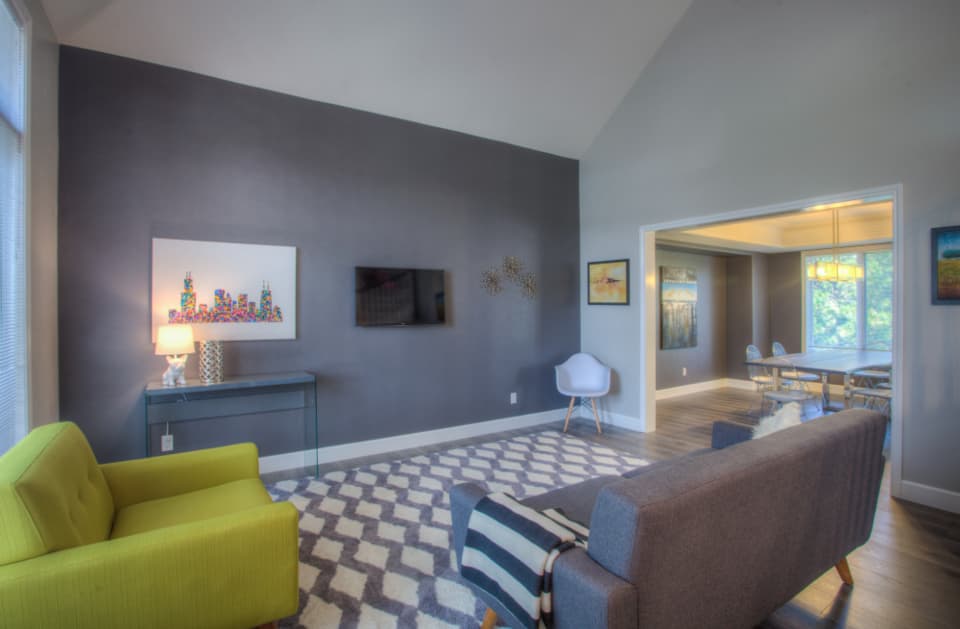
A clear painting scope
- Full-room protection: floors, fixtures, built-ins and adjacent rooms masked before any surface work
- Three-stage prep, fill, sand, spot-prime, on every wall, not only the visibly damaged ones
- Caulking of trim-to-wall joints and any open seams that would telegraph through the finish
- Stain-blocking primer on water marks, smoke, marker, timber knots and any drastic colour change
How we deliver it
- 01
Walkthrough and written spec
We measure each room, note substrate condition, log every repair, and write the finish schedule, surface by surface, sheen by sheen. You get it as a PDF before you commit to anything.
- 02
Protection
Floors covered, fixtures bagged, doorways zipped where dust will travel. Rooms we are not painting get sealed off, not just "kept an eye on".
- 03
Prep, the four hours that decide the job
Holes and dents filled, sanded flush, dust vacuumed rather than wiped. Glossy or previously oil-based trim is de-glossed so the new coat has something to bite into.
Questions
Full FAQHow long does it take to paint the interior of a house in Toronto?
A single room is usually one day. A three-bedroom home with walls, ceilings and trim runs three to five working days with a crew of two to three. Occupied homes take slightly longer than empty ones because we stage room by room so you always have somewhere to live. Plaster repair, wallpaper removal and cabinet work all add days on top and are quoted separately.
Do I need to move out while you paint?
No. The large majority of our interior work happens in occupied homes. We stage the job so bedrooms are finished and back in use before we start on living areas, and modern low-VOC paint means rooms are re-occupiable the same evening. If someone in the house is pregnant, asthmatic or chemically sensitive, say so at the walkthrough and we will schedule around sleeping areas and specify a zero-VOC product.
How many coats of paint do I actually need?
Two, on essentially every wall. One coat over a same-colour wall can look acceptable on the day and then flash unevenly within a month as the sheen settles. The genuine exceptions are rare: a brand-new, factory-primed surface in a same-family colour can sometimes take one. Any quote offering "one coat coverage" as a standard is quoting a thinner job, not a better paint.
Get a fixed quote for interior painting.
Free walkthrough, a fixed written quote, and no obligation to go ahead.
- 1,000+ homes painted
- Free walkthroughs
- Fixed written quotes
- Serving Toronto and the GTA